In modern industrial engineering, efficiency is no longer optional; it is foundational. As industries shift toward modular construction and off-site manufacturing, piping fabrication has emerged as a critical pillar supporting reliability, scalability, and precision. Nowhere is this more evident than in skid and modular systems, where performance, safety, and speed of deployment depend heavily on how piping is designed, fabricated, and integrated.
From oil and gas facilities to chemical processing plants, modular engineering relies on pre-assembled systems that function flawlessly upon installation. At the heart of these systems lies expertly engineered piping, responsible for controlling flow, pressure, temperature, and overall operational continuity.
What Makes Piping Fabrication Essential in Skid and Modular Systems?
Piping is not merely a support component in modular systems; it is the system’s circulatory backbone. In a packaged system and skid, piping determines how efficiently fluids and gases move, how safely pressure is managed, and how easily the system integrates into existing infrastructure.
How does piping fabrication influence system integrity?
Precision-fabricated piping ensures dimensional accuracy, alignment, and structural stability. In skid-based assemblies, all components, valves, instruments, pumps, and control panels are pre-mounted on a frame. Any deviation in piping tolerances can compromise the entire system.
High-quality piping fabrication allows manufacturers to:
- Maintain strict pressure ratings
- Ensure leak-free welds and joints
- Comply with ASME, ASTM, and ISO standards
- Minimize on-site adjustments and delays
For industries operating in high-risk environments, such as oil and gas, this level of precision is not just beneficial; it is mandatory.
Why is piping design tightly linked to modular engineering?
Modular systems are built for transportability and rapid commissioning. This requires piping layouts that are compact, vibration-resistant, and optimized for confined spaces. Advanced fabrication techniques allow engineers to pre-plan routing, stress loads, and thermal expansion before the skid ever reaches the site.
This is particularly relevant for skid packages & electrical skids, where piping must coexist seamlessly with cabling, instrumentation, and automation systems without interference or safety risks.
How Does Piping Fabrication Enhance Performance in Packaged Skid Systems?
Performance is the ultimate benchmark of any modular system. Well-fabricated piping directly influences operational efficiency, maintenance cycles, and long-term asset value.
How does prefabrication reduce installation time and cost?
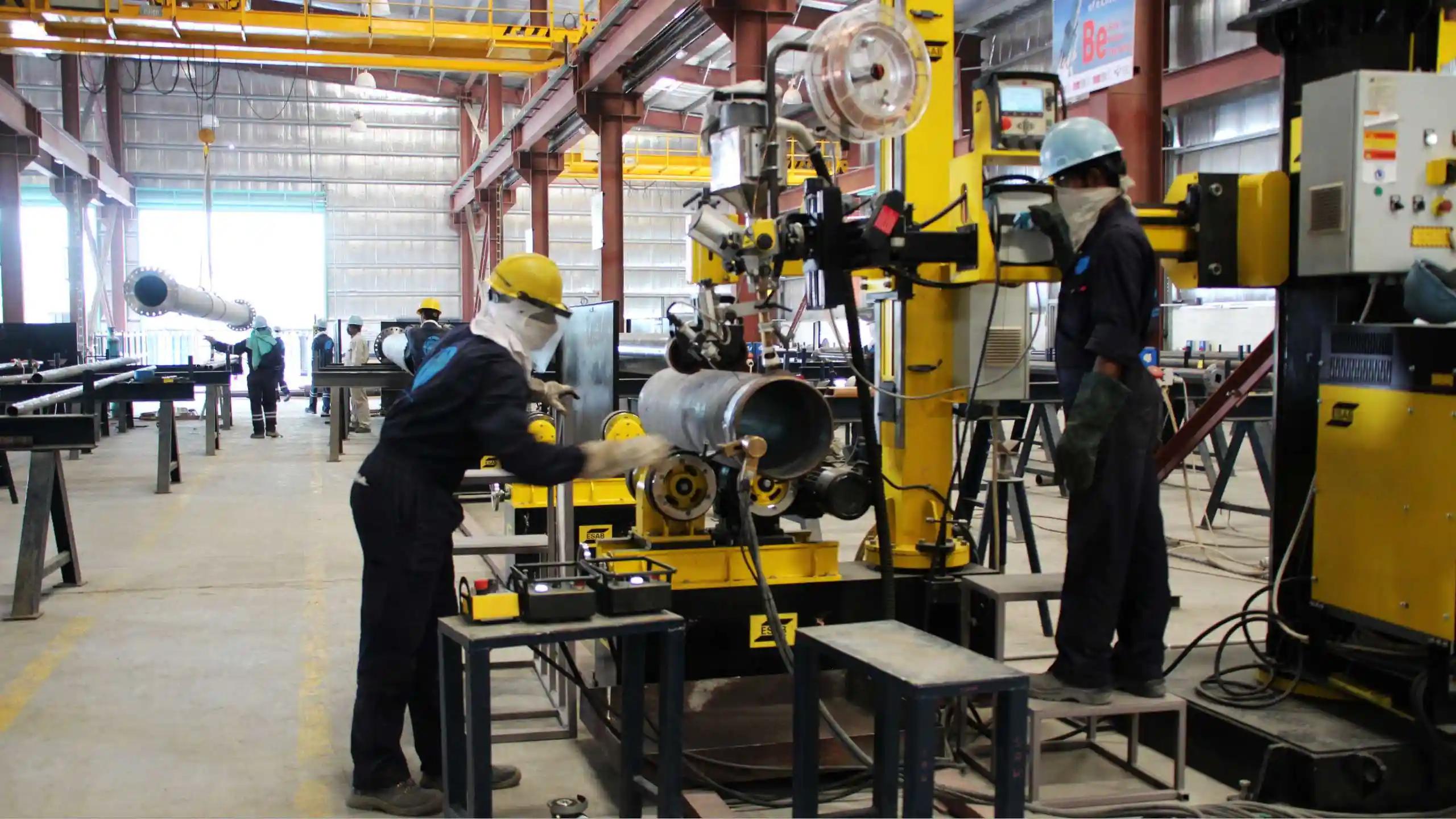
One of the biggest advantages of skid systems is reduced on-site work. When piping is fabricated off-site under controlled conditions, installation becomes largely plug-and-play. This approach:
- Cuts labor costs significantly
- Reduces exposure to harsh site environments
- Accelerates project timelines
- Improves quality control and repeatability
In regions with tight project schedules, such as the Middle East, this efficiency is a major competitive advantage.
Why does piping quality impact lifecycle reliability?
Poorly fabricated piping leads to corrosion, vibration fatigue, pressure losses, and unplanned shutdowns. In contrast, professionally engineered piping extends system life by ensuring:
- Proper material selection for corrosive or high-temperature media
- Accurate weld procedures and testing
- Consistent internal diameters for smooth flow
For end users investing in a packaged system and skid, piping quality directly translates into lower maintenance costs and higher uptime.
Why Is Piping Fabrication Critical for Oil and Gas Modular Projects?
The oil and gas sector places some of the highest demands on piping systems. Extreme pressures, aggressive chemicals, and strict regulatory requirements leave no room for compromise.
How does piping fabrication support oil and gas operations in the UAE?
The Middle East, particularly the UAE, has become a global hub for modular oil and gas solutions. Specialized oil and gas piping UAE projects demand piping systems that can withstand desert climates, offshore conditions, and continuous operation.
Fabrication tailored for oil and gas applications ensures:
- Compliance with international and local codes
- Resistance to corrosion, erosion, and scaling
- Compatibility with upstream, midstream, and downstream processes
For EPC contractors and operators, partnering with experienced skid manufacturers ensures these requirements are met from day one.
Why do PSS skid manufacturers prioritize piping excellence?
A reputable PSS skid manufacturer UAE understands that piping failures can halt entire production lines. That’s why piping fabrication is treated as a core engineering discipline rather than an afterthought.
By integrating piping design early in the skid development phase, manufacturers achieve:
- Better space utilization
- Improved access for inspection and maintenance
- Enhanced safety and operational clarity
This holistic approach ensures skids are not only functional but also future-ready.
How Does Piping Fabrication Enable Scalable and Future-Proof Modular Systems?
Modular systems are often designed with expansion in mind. Whether scaling production or adapting to new process requirements, piping flexibility is a key enabler.
How does piping design support modular scalability?
Well-engineered piping allows skids to be duplicated, upgraded, or integrated into larger systems with minimal redesign. Standardized fabrication practices ensure consistency across multiple units, making expansion faster and more cost-effective.
This is particularly valuable for industries deploying multiple skid packages & electrical skids across different sites or phases of a project.
Why is digital fabrication changing the future of skid systems?
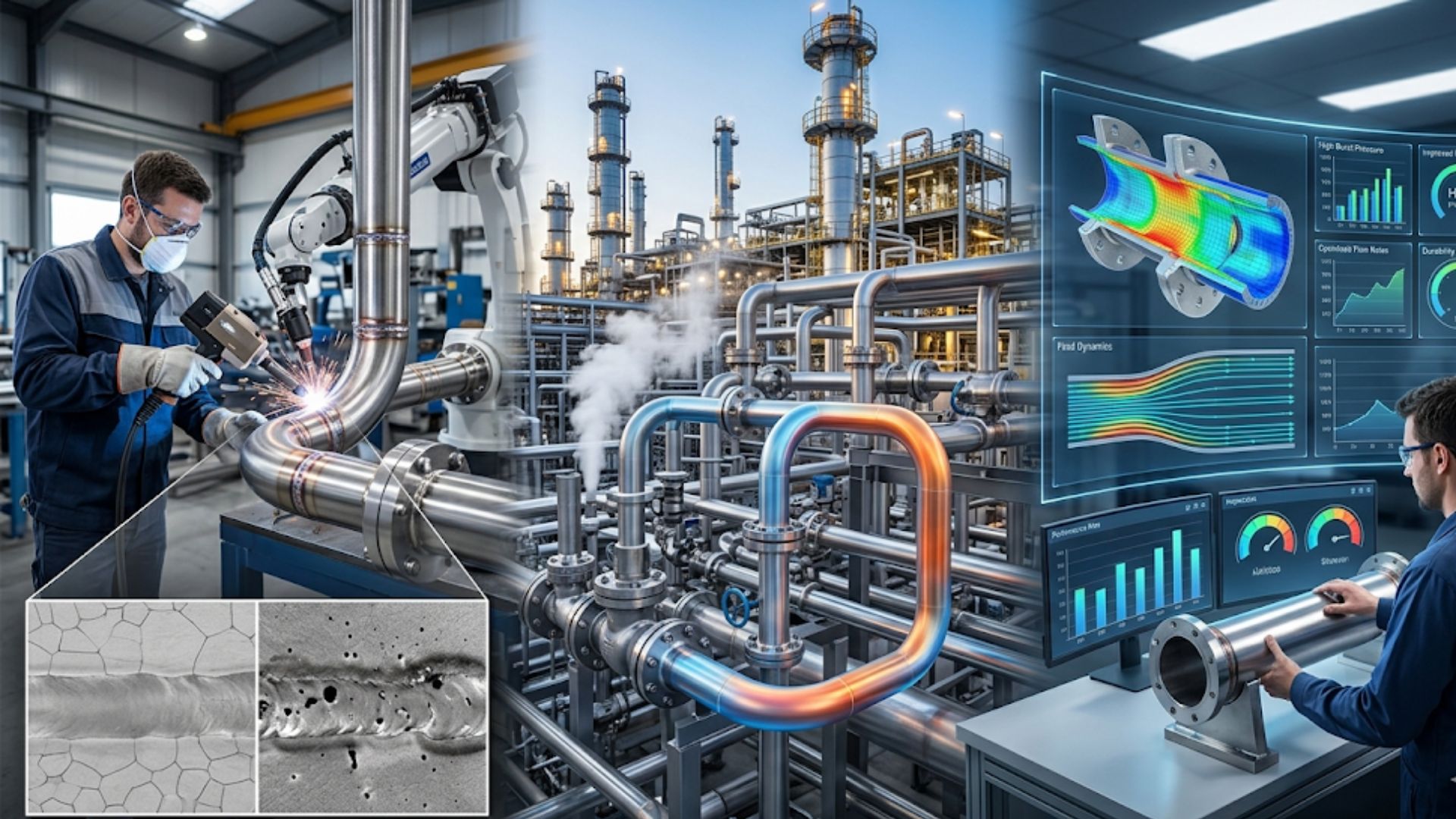
Modern piping fabrication increasingly relies on 3D modeling, stress analysis, and digital twins. These tools allow engineers to simulate performance before fabrication begins, reducing errors and optimizing efficiency.
The result is a smarter, more resilient packaged system and skid that performs predictably under real-world conditions.
Conclusion
In skid and modular systems, piping is far more than a mechanical necessity; it is the defining factor of performance, safety, and longevity. From precise off-site fabrication to seamless on-site integration, piping fabrication underpins every advantage modular engineering promises.
For industries operating in demanding environments, especially oil and gas, investing in expertly fabricated piping ensures operational confidence and long-term value. Whether sourced from a trusted PSS skid manufacturer UAE or deployed in complex oil and gas piping UAE projects, high-quality piping transforms modular systems into reliable, scalable assets.
In the evolving world of industrial construction, piping fabrication is not just a requirement; it is the foundation of excellence.
FAQs
How does piping fabrication improve modular system efficiency?
By fabricating piping off-site under controlled conditions, modular systems achieve faster installation, reduced labor costs, better quality control, and consistent performance, making packaged skids more efficient and dependable.
Is piping fabrication critical for oil and gas skid packages?
Yes, oil and gas applications demand high-pressure, corrosion-resistant piping. Professional fabrication ensures compliance with industry standards, operational safety, and durability in harsh environments like those found in the UAE.
How does piping fabrication improve safety in skid-mounted systems?
Precision piping fabrication reduces leak risks, ensures proper pressure handling, and improves joint integrity, making skid-mounted systems safer to operate in high-pressure and hazardous industrial environments.
Can piping fabrication be customized for different skid applications?
Yes, piping fabrication can be fully customized based on process requirements, materials, flow conditions, and space constraints, allowing skid systems to meet specific operational, regulatory, and industry standards.