Modern industrial infrastructure requires more than only efficient pipes. It requires precision, endurance and performance in the most demanding conditions. As projects in the Gulf region increase in scale in terms of technical and technological complexity, the method by which the piping systems are constructed has become an essential element in operation success.
Piping fabrication has seen significant changes in the last two decades. The craft-driven process is now a computer-aided design as well as automated welding systems and high-performance alloys that take systems to levels far beyond what traditional methods can achieve. For sectors like petroleum and gas, petroleum chemicals construction, and utilities These advances aren’t an option to upgrade These are standard expectations.
Precision Engineering at the Core
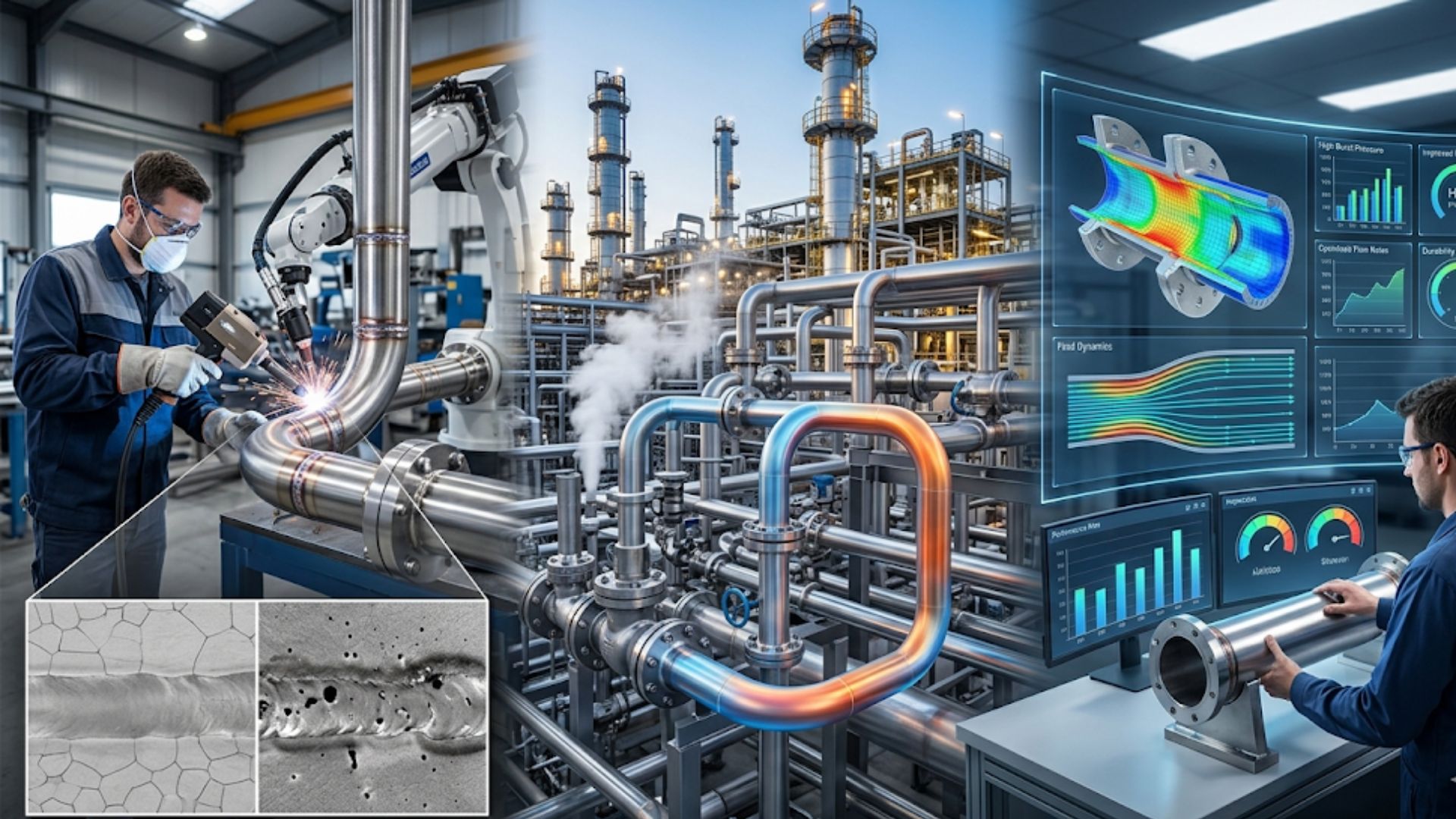
The trend towards precision-driven pipe fabrication started as a result of failures in the industry caused by dimensional errors, weak weld joints and a poor choice of materials. Engineers such as Rajan Mehta, who leads quality assurance for an intermediate-sized Gulf industrial firm, speak of the changes in plain language fabrication shops that depended on manual templates as well as freehand cutting are now equipped with CNC-controlled plasma cutters as well as laser aligners.
This is important because just a millimeter of deviation in a pipeline with a high pressure joint could cause stress fractures in the course of time. Modern fabrication control systems can prevent this, from the initial cut until the final inspection.
Structural Steel fabricators in UAE have adopted the same philosophies of precision-first especially as mega-construction projects require components to arrive on site ready for installation and with no tolerance for reworking.
Welding Technology and Joint Integrity
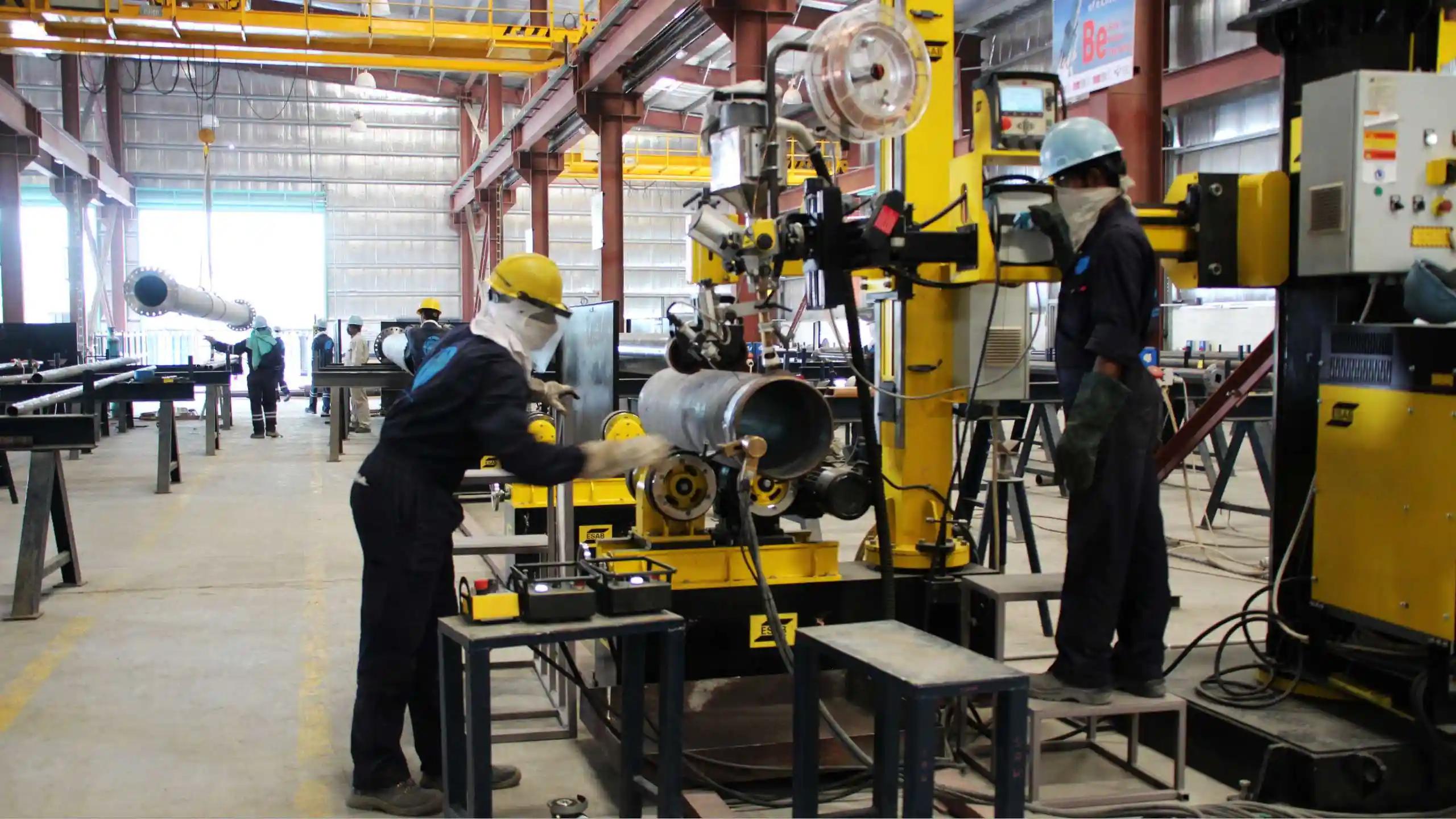
A single of the important advancements in the field is the automated orbital welding. In contrast to manual welding, which relies heavily on the skills and reliability of the individual welder orbital systems spin the electrode that is used for welding around the pipe’s circumference at the speed of a computerized process, creating homogenous, consistent welds that are free of human errors.
In industries where the integrity of fluids is a requirement, for instance food processing, pharmaceutical pipelines for petrochemicals and food processing, this degree of consistency is crucial.
Steel fabrication company in Sharjah have been investing more in automated welding facilities to satisfy local demands for projects as well as the international standards for exports. This results in speedier turnaround times, lower errors, and increased trust among clients.
Non-Destructive Testing: Catching Failures Before They Happen
Advanced fabrication is not complete without an equally sophisticated inspection. Testing using non-destructive (NDT) methods, which include ultrasonic testing, radiographic tests as well as magnetic particle inspection permit fabricators to inspect the structure inside pipes and welds while not cutting the materials.
This is an important game changer. A small crack that is hidden under the weld’s surface will appear invisible by the eye; however, ultrasonic testing can detect cracks before the pipeline is removed from the factory. For fabrication companies in UAE, NDT has been a requirement in high-quality documentation packages that are sent to both clients as well as certifying bodies.
The real-world implications are fewer field failures, less cost of maintenance, and longer operating life spans of pipe systems in infrastructure and industrial projects.
Material Science and Alloy Selection
The efficiency of any piping system is largely dependent on the materials used. The most advanced fabrication techniques are as efficient as the materials they are shaped with. In the present, steel fabrication companies UAE employ an array of higher-performance alloys than they have ever before, including duplex carbon steel, stainless steel that has corrosion-resistant linings and chrome-moly grades that are suitable for high-temperature use.
The selection of materials is now a process that involves collaboration. Fabricators work with the metallurgists and process engineers to find the best pipe grades for operating conditions as well as fluid chemical composition, temperature cycles and pressure specifications. Priya Nair is a material consultant who has advised a variety of steel fabrication companies in Sharjah initiatives, explains the importance of making this choice right during the design phase and can prevent the possibility of many early failures in the field.
Prefabrication and Modular Assembly
Another important driver of performance is the trend towards prefabricated piping spools for piping and modular assemblies. In lieu of cutting, fitting and assembling pipe on site in a variety of conditions, fabricators manufacture complete pipes, also known as Spools, in an environment controlled by workshop workers. They arrive at the construction location ready to be welded or bolted to the desired position.
The benefits multiply quickly. Workshops and steel fabrication company in Sharjah allow for more efficient quality control, quicker inspections, and lower exposure to weather and contamination. Project timelines are reduced because multiple spool assemblies are able to be constructed simultaneously even while civil construction work on site is still in progress.
Steel fabrication companies in Sharjah that have modern capabilities for spool fabrication have been a preferred partner for EPC contractors that have to work with short delivery times for massive industrial constructions.
Frequently Asked Questions
How can automated welding systems help improve the performance of piping?
Automated systems, specifically orbital welders, create high-quality, consistent weld seams, with only a small amount of human variability. This significantly reduces the rate of defect and guarantees joint integrity over all operating temperatures and pressures for critical piping applications.
What role can non-destructive testing contribute to the quality of fabrication?
NDT techniques identify cracks, flaws, and voids within welds and base materials, without causing damage to the part. This permits fabricators to confirm the quality of their products prior to shipment, thus reducing the risk of failures in the field and expensive shutdowns of operating pipe systems.
What is the significance of selecting the right material for advanced fabrication of piping?
The wrong selection of materials can cause cracking, corrosion or deformation when operating under pressure conditions. Making sure the alloy is compatible with operational temperature and pressure along with fluid and chemical chemistry, is crucial to ensure long-term system performance as well as the compliance of regulatory requirements.
What exactly is a pipe Spool? And how can prefabrication aid?
A pipe spool is an assembled section of pipe, complete with fittings and flanges. Prefabricating spools within a workshop can reduce installation time, enhance the quality of work, and permit parallel work streams that speed up the overall delivery of projects dramatically.