A project director at a UAE EPC contractor reviewed fabrication partner options for a pipeline and structural steel contract in early 2026. The initial shortlist covered familiar territory: suppliers in Sharjah’s industrial corridor, an established name near Jebel Ali, and two companies operating from Abu Dhabi. A second evaluation pass surfaced the fact that two of the most capable fabrication companies in UAE for that particular scope, both carrying the required ASME certifications and structural steel capacity, were operating from Ras Al Khaimah. The industries in Ras Al Khaimah had generated enough consistent demand to build serious fabrication capability there, and those suppliers were underrepresented on shortlists that defaulted to geography rather than qualification.
RAK is frequently framed in UAE market discussions as a secondary industrial location, relevant to ceramics, cement, and tourism development but peripheral to the heavy fabrication and EPC contracting activity concentrated in Abu Dhabi and Dubai. That framing has not kept pace with what has actually developed in the emirate over the past decade. The economic zone infrastructure, port access, land availability, and sector mix present in RAK in 2026 make it a materially different environment from the one that impression describes.
This blog examines what is driving industrial growth in Ras Al Khaimah, which sectors are generating fabrication demand, and what fabrication companies and engineering companies in the UAE need to assess before pursuing RAK-based project work or establishing operations there.
The Industrial Base Ras Al Khaimah Has Built
Understanding RAK’s commercial character on its own terms is the necessary starting point before evaluating what fabrication opportunity it presents. The emirate’s industrial economy is more diversified than its headline reputation suggests, and the implications of that diversity for fabrication demand are worth examining sector by sector.
The manufacturing industries UAE classification for RAK covers several sectors that have operated at scale for decades. Ceramics is the most internationally visible: RAK Ceramics, one of the world’s largest ceramic tile manufacturers by production capacity, has its primary manufacturing base in the emirate. The building materials sector more broadly, including cement production and construction aggregates, operates multiple large-scale facilities in RAK, with Saqr Port providing the bulk shipping access that makes both domestic supply and export logistics viable.
Pharmaceutical manufacturing has built a meaningful presence. Julphar, the Gulf’s oldest pharmaceutical manufacturer, has operated production facilities in RAK since the 1980s and represents the type of regulated manufacturing environment that drives demand for utility systems, process vessels, and controlled piping installations fabricated to verified standards. Beyond pharmaceuticals, the emirate’s manufacturing base includes:
- Food and beverage processing facilities operating under HACCP and UAE food safety regulatory frameworks
- Chemical production and specialty coating manufacturing
- Glass manufacturing with export-oriented production capacity
- Steel and metal product manufacturing supplying the UAE and regional construction markets
- Packaging and industrial consumables manufacturing serving the broader GCC distribution chain
Each of these environments generates ongoing demand for fabrication, maintenance, and infrastructure upgrade work that does not appear in project tender databases in the same way that major upstream oil and gas contracts do, but which represents sustained, repeat-cycle commercial activity.
Industries in Ras Al Khaimah That Are Driving Fabrication Demand
The fabrication demand generated by industries in Ras Al Khaimah falls into distinct categories, each with different technical requirements and procurement behaviours. Understanding which category aligns with a fabrication company’s existing certifications and scope is the relevant starting point for commercial prioritisation.
Construction and Structural Steel Fabrication
The most visible near-term demand category is construction-related structural steel work. RAK’s infrastructure and development pipeline in 2026 includes ongoing expansion at Al Marjan Island, where the integrated resort development programme represents one of the largest single construction projects currently active in the emirate. Large hospitality, residential, and mixed-use projects of this scale generate sustained demand for structural steel fabricators in UAE who can supply fabricated steel structures, connection assemblies, secondary steelwork, and architectural elements within the logistical requirements of a large construction programme.
Beyond resort and mixed-use development, RAK’s road and utilities infrastructure upgrades, Saqr Port’s ongoing capacity requirements, and new warehouse and logistics facility construction within the emirate’s industrial zones generate structural steel demand that is less headline-visible but more consistent in its procurement cycle. For heavy structural steel fabrication companies in UAE, RAK’s construction pipeline presents a credible workload source that runs parallel to the larger Abu Dhabi and Dubai project markets without the vendor concentration and competitive pricing pressure that characterises those markets.
Industrial facility construction within RAKEZ, the Ras Al Khaimah Economic Zone, also generates fabrication scope for new manufacturing plant infrastructure: steel-framed production buildings, mezzanine and platform structures, utility system installations, and process piping for manufacturing tenants establishing UAE operations in the free zone.
Process Equipment and Utility Systems Fabrication
Manufacturing facilities across RAK’s pharmaceutical, chemical, ceramics, and food processing sectors operate process systems that require periodic replacement, upgrade, and expansion. Pressure vessels, storage tanks, heat exchangers, and pipe spools specified to ASME and ISO standards are required by these industries as both capital equipment in new installations and replacement equipment in operating facilities undergoing maintenance turnarounds.
Pharmaceutical manufacturing in RAK, in particular, operates under regulatory conditions that require fabricated equipment to meet material traceability, surface finish, and documentation standards more demanding than general industrial fabrication. Stainless steel grades 316L and 304 with electropolished internal surfaces, and full material certification including mill test reports traceable to heat and lot numbers, are standard requirements for pharmaceutical process vessels and utility system piping. Fabrication companies holding the relevant quality certifications and demonstrable experience with pharmaceutical-grade specifications occupy a different competitive position in that procurement environment from general structural fabricators.
Industrial Zones Ras Al Khaimah Offers and What They Mean for Fabricators
The structured industrial zone infrastructure in RAK shapes both where fabrication demand concentrates geographically and what logistical and regulatory advantages are available to fabrication companies operating within the emirate. Two environments are particularly relevant to this commercial assessment.
RAKEZ, the Ras Al Khaimah Economic Zone, is a free zone authority consolidating the emirate’s principal economic zone activity and supporting manufacturing, trading, and service companies operating in RAK. Companies established within RAKEZ operate under the free zone framework standard across UAE free zones: 100 percent foreign ownership, zero corporate income tax under applicable arrangements, customs duty exemptions on imported raw materials and equipment, and a consolidated licensing and registration process. For fabrication companies in UAE considering whether to establish or expand RAK operations, the RAKEZ framework reduces regulatory complexity compared to onshore establishment in some other UAE jurisdictions. The zone’s active manufacturing tenant base also creates a direct client relationship opportunity: companies supplying process equipment, utility systems, and maintenance fabrication to RAKEZ manufacturing tenants are operating within the same administrative environment as their clients.
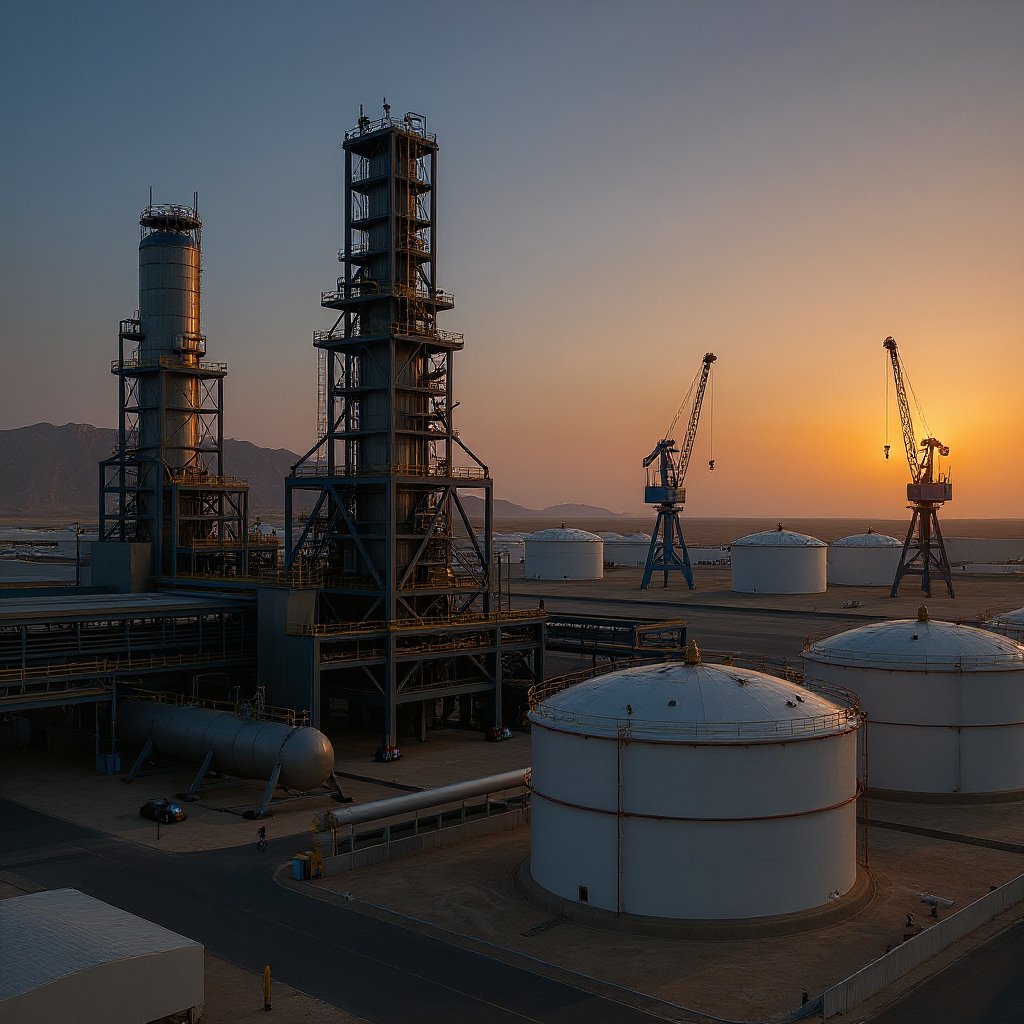
Saqr Port, located on RAK’s northern coastline, is one of the UAE’s principal bulk cargo ports and provides direct maritime access relevant to fabrication companies handling large or heavy equipment. For operations supplying fabricated structural assemblies, pressure vessels, or storage tanks to GCC project sites, port access reduces the logistics chain compared to road-only transport. Saqr Port’s break-bulk and heavy lift cargo handling capability is relevant for fabrication companies whose output includes large-format static equipment that cannot move by standard road transport.
The table below summarises the principal industrial and economic zone environments in RAK against criteria relevant to fabrication companies evaluating the market.
| Zone or Area | Primary Activity | Port or Logistics Access | Free Zone Status | Fabrication Relevance |
| RAKEZ (Ras Al Khaimah Economic Zone) | Manufacturing, trading, professional services | Road network, RAKEZ logistics support | Yes | New facility establishment, manufacturing tenants as direct fabrication clients |
| Saqr Port Industrial Area | Bulk cargo, heavy industry, port-linked manufacturing | Direct port access, break-bulk and heavy lift | No, onshore | Large equipment dispatch, raw material import by sea, GCC export access |
| Al Ghail Industrial Area | General manufacturing, warehousing, light industry | Road access to RAK highway network | No, onshore | Light to medium fabrication operations, manufacturing support scope |
| Al Marjan Island and North RAK Development | Hospitality, mixed-use, residential construction | Road access, construction logistics corridors | No | Structural steel and construction fabrication for active development pipeline |
Why Ras Al Khaimah Works as a Fabrication Base for UAE and GCC Projects
A fabrication company evaluating whether to establish operations in RAK is making a different assessment from one evaluating whether to bid on RAK-based project work. Both are valid commercial questions, and the factors relevant to each answer differ enough to examine separately.
For companies considering RAK as a fabrication base, the structural advantages are concrete. Industrial land availability in RAK’s economic zone and onshore industrial areas is more accessible than in Sharjah’s congested industrial corridors or Dubai’s increasingly limited available industrial zones. For fabrication operations that require significant floor area, open yard space for heavy component staging, and overhead crane bay heights appropriate for large vessel or structural steel assembly work, RAK provides options that are practically constrained in more built-out UAE industrial areas.
The operating cost structure in RAK across utilities, labour accommodation, and facility overhead is generally lower than equivalent operations in Abu Dhabi or Dubai. For manufacturing industries UAE fabricators supplying a regional rather than purely local market, the combination of lower operating cost and accessible logistics is commercially meaningful. RAK sits within road transport reach of Dubai, Sharjah, Fujairah, and Oman’s Musandam region, and Saqr Port provides maritime freight access to other GCC markets.
For companies evaluating RAK-based project work without relocating operations there, the practical question is how RAK projects fit into their existing UAE project pipeline. Large infrastructure and industrial projects in RAK are typically executed by UAE-registered EPC contractors coordinating fabrication across multiple suppliers. Fabrication companies already on approved vendor lists for major EPC contractors active in the UAE will find RAK projects accessible through those existing commercial relationships, provided their scope and certification credentials cover the work being tendered.
What Fabrication Companies Need to Compete for RAK Industrial Contracts
The qualification criteria for RAK’s fabrication market are the same criteria that govern UAE industrial project access broadly. The specific emphasis shifts by sector, but the baseline requirements are consistent.
For structural steel and construction-related fabrication, the entry requirements include ISO 9001 quality management certification, demonstrable UAE project references in comparable structural scopes, shop capacity relative to the project’s steel tonnage requirements, and the ability to produce and coordinate shop drawings in formats accepted by UAE structural engineering consultants. Tekla Structures outputs and AutoCAD-based fabrication drawings are standard across UAE construction programmes. Heavy structural steel fabrication companies in UAE bidding RAK construction work will be evaluated primarily on project references, shop capacity, and schedule reliability.
For process equipment, pressure vessels, and piping fabrication relevant to RAK’s manufacturing industries, the qualifying requirements are more demanding. The standard requirements for this work category include:
- ASME U Stamp certification under ASME Section VIII Division 1 or Division 2, with scope confirmed for the specific equipment type being fabricated
- ISO 9001 quality management certification scoped to process equipment fabrication
- WPS and PQR records covering the material grades specified in the project, including austenitic stainless steel grades for pharmaceutical and food service applications and carbon steel for general industrial service
- Inspection and test plan (ITP) capability with defined hold and witness points, coordinated with UAE-accepted third-party inspection agencies including Bureau Veritas, TÜV Rheinland, Lloyd’s Register, and SGS
- Material traceability documentation standards covering mill test reports for all pressure-retaining components, traceable to heat and lot numbers
Positioning for Repeat Commercial Relationships
Operating manufacturing facilities in RAK, across ceramics, pharmaceuticals, chemicals, and food processing, run maintenance and upgrade procurement cycles that reward suppliers who demonstrate consistent quality and documentation compliance on an initial contract. Unlike construction project procurement, which is largely one-cycle per project, process equipment and utility system fabrication for operating manufacturers tends to generate repeat orders across the facility’s maintenance turnaround schedule.
For fabrication companies entering the RAK manufacturing market for the first time, the commercial logic of treating the initial contract as a reference-building exercise rather than a transactional event is particularly relevant. Pharmaceutical and chemical manufacturers in the emirate source regulated equipment through pre-qualification frameworks that take time to enter but provide durable supplier positioning once established.
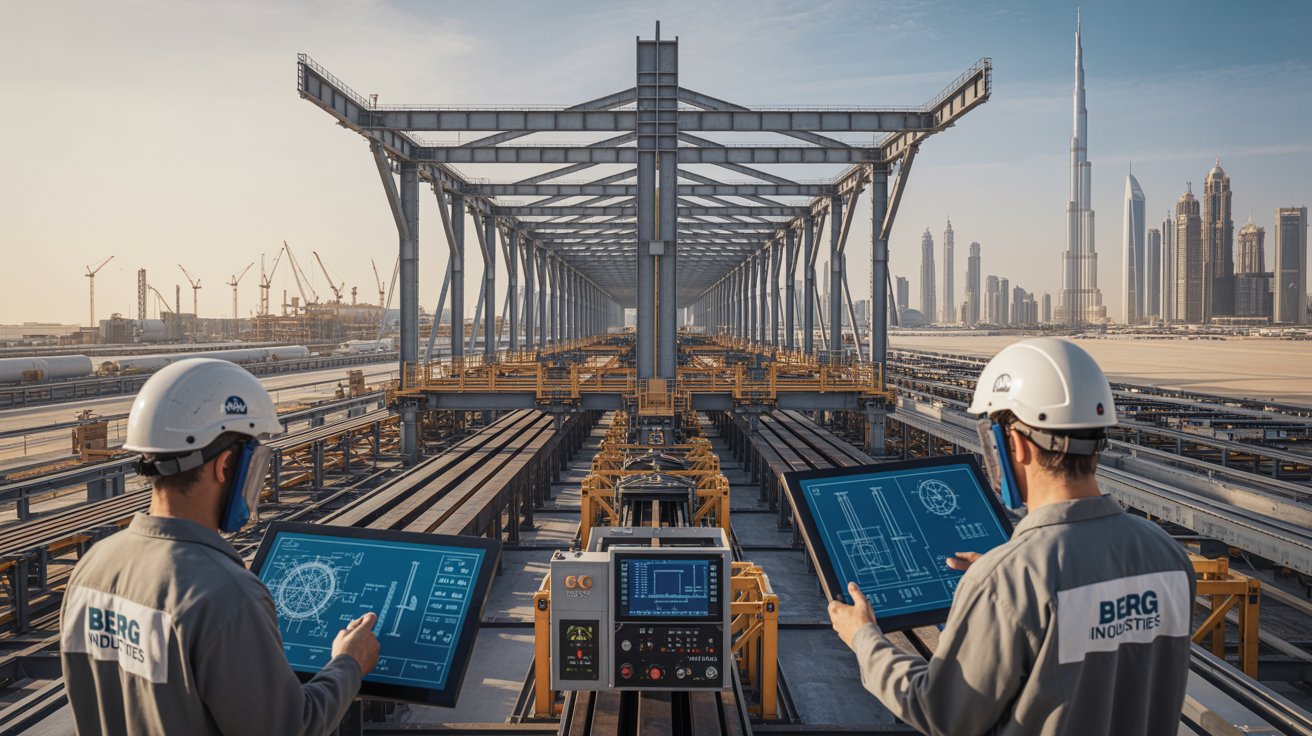
Berg Engineering’s fabrication facilities in Ras Al Khaimah and Sharjah cover structural steel, pressure vessel fabrication for UAE and GCC projects, pipe spool and piping fabrication, and static equipment fabrication across oil and gas, power generation, water treatment, and industrial construction sectors. The RAK facility location provides direct logistical alignment with the project and client environments described in this blog.
How Engineering Companies in the UAE Are Approaching the RAK Market in 2026
RAK’s fabrication market in 2026 is being served by two broad categories of supplier: companies that identified the emirate’s growth trajectory and built local project references and client relationships over the past several years, and established UAE-wide EPC contractors and fabricators whose existing commercial frameworks give them access to RAK work through the same channels as any other UAE project location.
For engineering companies in the UAE that have not previously prioritised RAK, the entry points vary by sector. Construction-related structural steel fabrication offers the most accessible near-term commercial entry. The project pipeline is partially visible through permit and contract notices for major development programmes, and the qualification threshold for structural steel work is lower than for coded pressure equipment fabrication. For companies with structural steel capacity and UAE project references, this is the most direct path into the market.
Process equipment and utility system fabrication for RAK’s manufacturing industries requires a longer commercial development cycle. Pharmaceutical, chemical, and ceramics manufacturers in RAK typically source process equipment through procurement frameworks requiring vendor registration and technical pre-qualification. The investment in that process takes time, but the repeat-order nature of maintenance and upgrade work in operating facilities means that suppliers who complete an initial contract in this environment tend to hold a durable position with that client for subsequent cycles.
For fabrication companies evaluating RAK as an operational base for broader UAE and GCC project access, the strategic question is whether RAK’s location, cost structure, and industrial zone infrastructure justify the investment relative to expanding capacity at an existing location. That answer depends on current facility constraints, the geography of target work, and the fabrication scope being pursued. The factors that make RAK commercially relevant, land availability, port access, RAKEZ free zone infrastructure, and a growing industrial client base, are real and verifiable. Whether they outweigh the investment required to establish or expand there is a calculation that depends on each company’s specific position.
Frequently Asked Questions
What industrial zones operate in Ras Al Khaimah?
Ras Al Khaimah's principal structured zones include RAKEZ, the Ras Al Khaimah Economic Zone, which supports manufacturing, trading, and service companies under a free zone framework offering 100 percent foreign ownership and customs duty exemptions on imported materials and equipment. The Saqr Port industrial area provides port-linked industrial capacity with direct bulk cargo and heavy lift access.
What types of fabrication work are most in demand in Ras Al Khaimah?
Fabrication demand in RAK in 2026 concentrates in three categories: structural steel fabrication for the active construction pipeline including major hospitality and mixed-use developments and new industrial facility builds within RAKEZ; process equipment fabrication including pressure vessels, storage tanks, and pipe spools for pharmaceutical, chemical.
What certifications do fabrication companies need for industrial projects in Ras Al Khaimah?
For structural steel fabrication, ISO 9001 quality management certification and verifiable UAE project references in comparable scopes are the baseline requirements. For process equipment and pressure vessel fabrication, ASME U Stamp certification under ASME Section VIII is required, alongside WPS and PQR records for the specified material grades, ITP capability with defined hold points, and coordination with UAE-accepted third-party inspection agencies including Bureau Veritas, TÜV Rheinland, Lloyd's Register, and SGS.
How does Saqr Port support fabrication companies operating in Ras Al Khaimah?
Saqr Port provides direct maritime access for fabrication companies supplying large or heavy equipment that cannot move efficiently by road transport alone. For operations exporting fabricated structural assemblies, pressure vessels, or storage tanks to GCC project sites in Kuwait, Bahrain, Qatar, or Oman, port access reduces the logistics chain and enables sea freight options not available from landlocked industrial sites.
Is Ras Al Khaimah a practical location for establishing a fabrication facility?
RAK is a commercially viable option for fabrication facility establishment, subject to the specific scope and target market. Industrial land availability in RAK's zones is more accessible than in Sharjah and Dubai, and the operating cost structure for utilities, accommodation, and facility overhead is generally lower than equivalent operations in Abu Dhabi or Dubai.