Step inside any industrial site in Dubai or Abu Dhabi and you’ll feel it, the heat, the hum of machinery, the faint diesel smell in the air. Behind that steady rhythm, there’s one system that keeps everything running: the fuel system. The work of fuel system manufacturers often goes unnoticed, but nothing in a refinery, power plant, or airport works without them. They design, build, and test the systems that move, filter, and store fuel safely. What’s changed in the past decade is how these systems are built, cleaner, smarter, and far more efficient.
At Berg Industries, we’ve seen that change happen right inside our workshops. The metal’s the same, but the thinking behind it isn’t.
The Role of Fuel System Manufacturers
A fuel system manufacturer does more than connect tanks and pipes. The goal is simple: move fuel from storage to use with zero waste and zero failure.
Inside our factory, there’s the sound of grinders, the hiss from a cutting torch, and the smell of hot steel. Every day, welders, fitters, and engineers work on the small things that keep big systems safe. Each joint, each gauge, each bolt matters because one loose seal can stop an entire operation.
We’ve built systems for plants that run nonstop in the desert. That means extra pressure testing, thicker coatings, and materials that can handle both high heat and salty air. It’s not a desk job; it’s dirty, sweaty, and full of checks.
Why Local Manufacturing Works Better
Earlier, many companies imported their systems. They arrived late, didn’t fit local site layouts, and often broke faster under UAE weather. Now, local production has changed that.
When everything is built here, turnaround time drops, adjustments can happen in real time. If a client wants a larger pump or extra filtration, we can make it mid-production. That flexibility saves weeks.
For us at Berg Industries, local manufacturing means control over quality, design, and timelines. It also means clients can visit, inspect, and sign off before dispatch. No overseas waiting, no guesswork.
Building Systems That Waste Less
Every drop of fuel saved is money saved. So, most fuel system manufacturers now focus on efficiency. Small improvements in design make big differences once installed.
We’ve seen it firsthand. When a project in Jebel Ali switched to automated valves and digital meters, they cut their fuel loss by 20%. Maintenance calls dropped, too. That’s how you measure progress, in numbers, not slogans.
Some Key Improvements
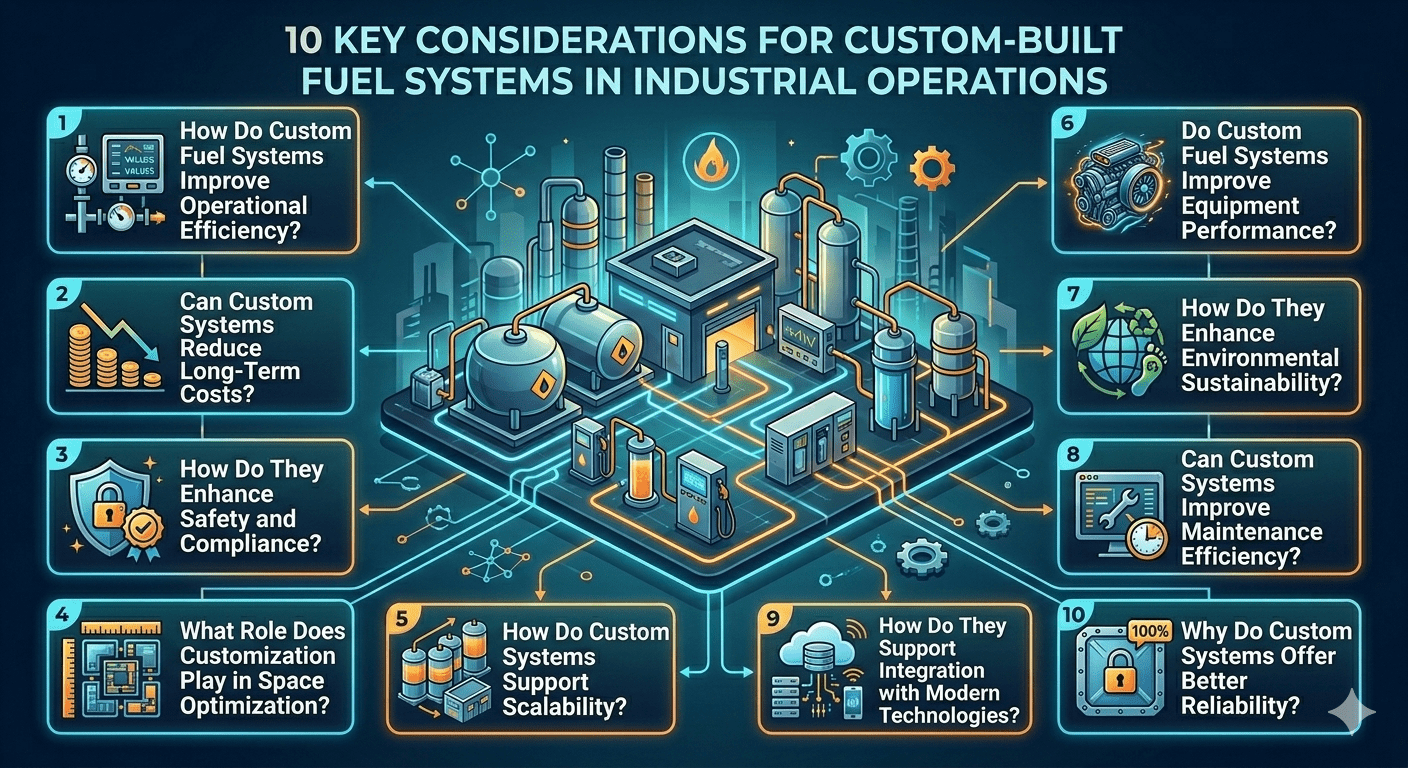
- Double-layer tanks prevent leakage and contamination.
- Automatic shut valves reduce overflow risks.
- Pressure sensors catch problems before failure.
- Smart controllers monitor flow and consumption.
- Energy-efficient pumps cut electricity use.
These features may sound ordinary on paper, but together, they build reliability.
Modern vs Old Fuel Systems
The shift started when the PSS Skid Manufacturer in the UAE teams began fabricating ready-to-install skids. Instead of assembling everything at the site, the full package now comes tested, wired, and tagged.
| Feature | Modern Fuel Systems | Older Fuel Systems |
|---|---|---|
| Build | Modular, compact | Heavy, built on site |
| Safety | Automated sensors | Manual supervision |
| Energy Use | Low due to efficient pumps | High power draw |
| Testing | Pre-tested before delivery | Tested after assembly |
| Lifespan | Long, with easy servicing | Frequent breakdowns |
We’ve done this many times at Berg Industries. A client receives one unit, connects the pipes, powers it up, and it’s good to go.
The Connection Between Fuel Systems, Skids, and Heat Exchangers
Fuel systems rarely work alone. They connect to cooling and heating units. This is where the heat exchangers manufacturer in UAE becomes part of the same story.
When hot fuel or oil flows out of an engine, that heat can be reused through an exchanger. Instead of wasting it, the system recycles energy. That means lower fuel use, which directly supports sustainability.
How Integration Works
In our recent projects, we’ve built skids that combine fuel systems and exchangers. Pumps, filters, and control panels sit on one steel frame. The PSS Skid Manufacturer in the UAE handles the structure; we add the fuel side. The result is compact, clean, and faster to install.
Such integrated designs also reduce cabling errors and maintenance time. Once installed, everything runs as a single unit.
What Happens Inside a UAE Workshop
Visit a fabrication shop on a hot afternoon and you’ll get the real picture. The air smells of paint and steel. Machines rumble, workers move between skids, and inspectors carry clipboards. It’s hard work, but it’s also where precision begins.
Each fuel system manufacturer has a checklist. We follow international codes like ASME, API, and NFPA. Every weld is checked, every pipe tested with pressure. Once complete, we paint, label, and crate the system for shipping.
How We Usually Build a System
- Design Phase – We plan flow rates, fuel type, and pipe sizes.
- Fabrication – Steel is cut, shaped, and welded.
- Assembly – Pumps, valves, and meters fitted.
- Testing – Pressurised and electrical tests done in-house.
By finishing everything before delivery, clients avoid long site work. The system arrives ready to connect, no surprises.
Collaboration Improves Every Project
Most large projects today combine multiple specialists, fuel system manufacturers, heat exchangers manufacturers in the UAE, and PSS skid manufacturers UAE.
When these teams coordinate early, everything fits right the first time. No clashes in pipe routing, no mismatched connections. We’ve seen it repeatedly. During one project for a power facility, our fuel skid and the electrical panel arrived perfectly aligned because both were built from one shared drawing.
The Result
- Installation completed four days early.
- No rework on-site.
- Clean final layout with fewer cables.
This kind of teamwork saves time, and for industries where downtime is expensive, that’s what matters most.
Sustainability Starts on the Workshop Floor
You can’t preach sustainability without practicing it. At Berg Industries, we’ve made small internal changes that add up.
We reuse water from hydro tests. We collect steel cutoffs for smaller jobs. We’ve switched to LED lights across our bays. Even small things, like improving airflow during painting, reduce energy use.
Our clients notice. More are asking for low-smoke paints, corrosion-resistant coatings, and better insulation. Sustainability, for us, isn’t a buzzword; it’s just good engineering.
Why Local Experts Are Preferred
When EPC firms in the UAE choose local manufacturers, they choose reliability. A fuel system manufacturer here understands the weather, sand exposure, and the way humidity affects metal joints.
If a pump fails, help arrives within hours, not days. Need to tweak a system mid-project? We’re already nearby. That local proximity removes a lot of stress.
At Berg Industries, we handle EPC support under one roof, from skid packages to fuel oil systems and heat exchangers. That’s how we keep control over design, testing, and delivery timelines. It’s one reason clients keep coming back.
UAE Fuel System Manufacturers Power a Cleaner Industry
Every cleaner, safer, and longer-lasting project starts in a workshop. Each fuel system manufacturer in the UAE plays a part in that story.
We, at Berg Industries, take pride in building systems that last through sand, heat, and constant operation. From fuel handling skids to PSS skid manufacturer in the UAE projects and partnerships with heat exchangers manufacturers in the UAE, our goal is to make industries run efficiently and responsibly.
If your project needs a tested, reliable fuel system, contact us. Let’s build something strong, practical, and made right here in the UAE.
FAQs
How do modern systems save energy?
By using efficient pumps, smart valves, and automated monitoring to reduce fuel loss and electricity usage.
Why are skids important in fuel systems?
Skids simplify installation; all parts are mounted, tested, and shipped as one ready-to-run unit.
Why prefer local UAE manufacturers?
They know the regional climate and can design systems that handle high heat and humidity better.
What services does Berg Industries offer?
We handle EPC projects, skid fabrication, heat exchangers, storage tanks, and full fuel system manufacturing under one roof.