You are already aware of the importance of piping systems in the oil and gas sector, particularly when engaged with an EPC contractor or a national oil company. But what is this pipe fabrication, and why exactly does it make all the difference when it comes to the success of your project?
Being a procurement manager who can guarantee just-in-time delivery or simply a project director who wants to stay within the mechanical warranties, learning about the piping fabrication process will provide the much-needed clarity to such attempts to plan and execute more effectively.
Here will give you an insight into the basics of piping materials, pipe spool fabrication, and materials involved in connecting everything. And shall we simplify so you know how to make intelligent decisions at each step?
What is Pipe Fabrication?
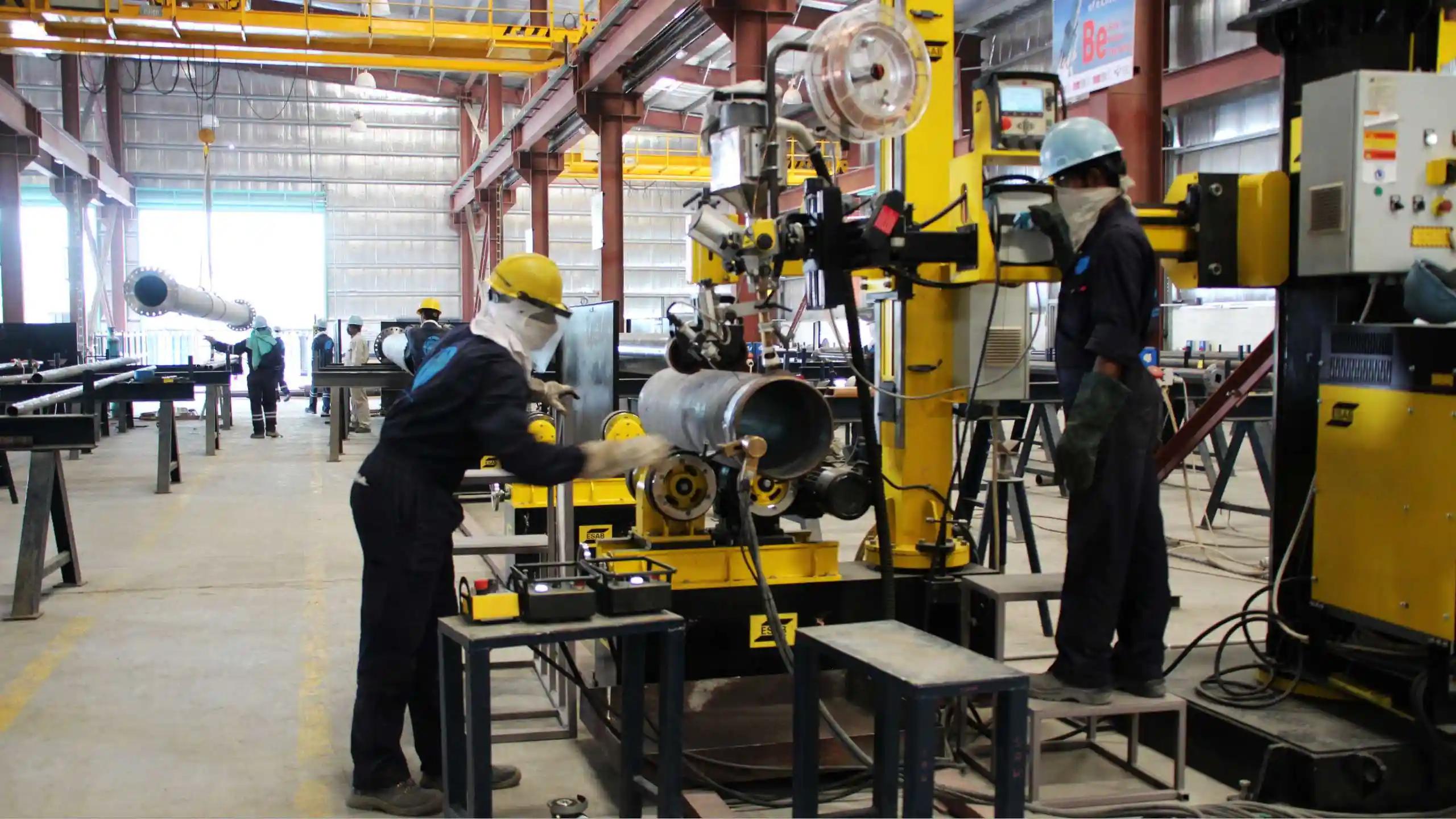
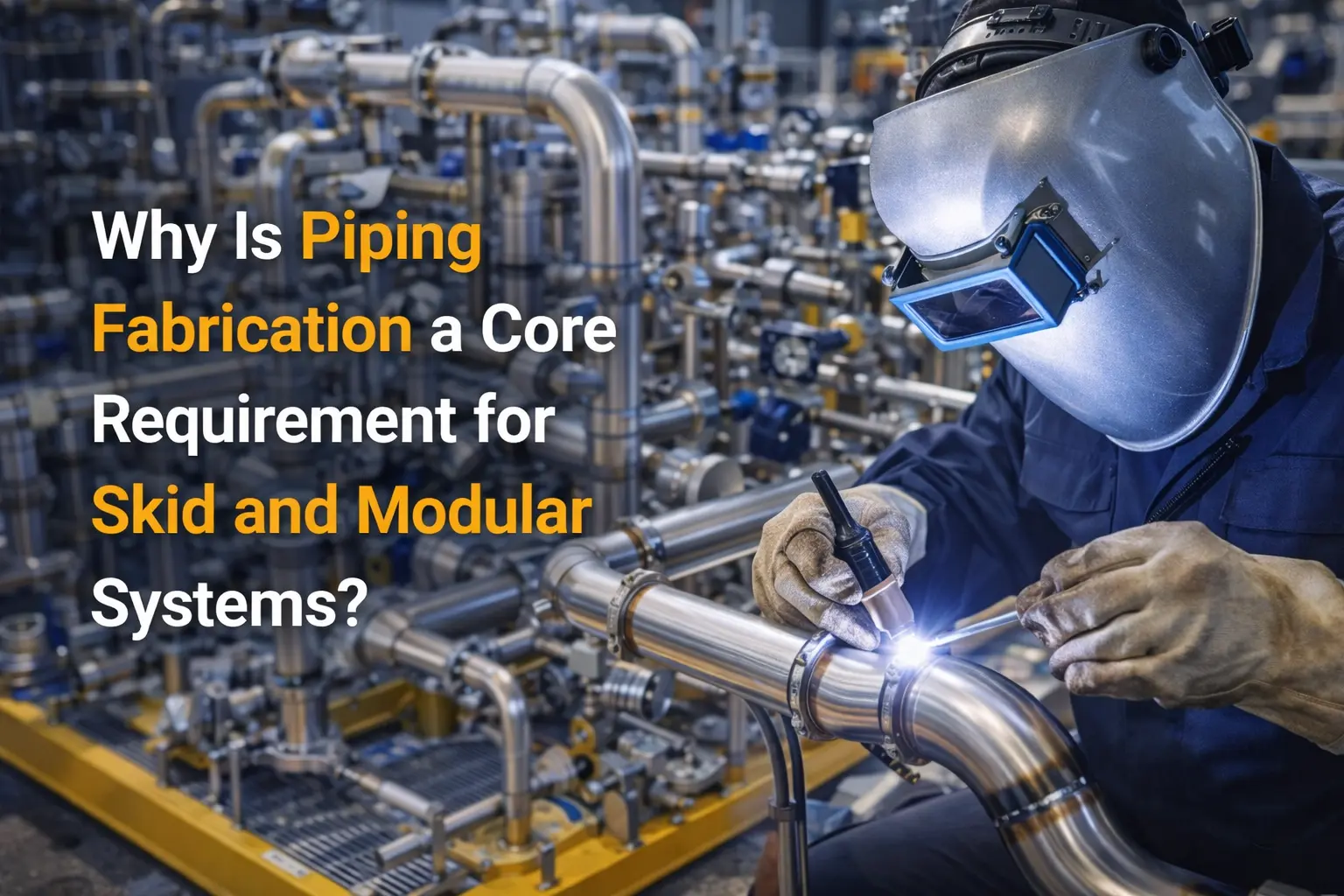
Pipe fabrication involves assembling piping elements, such as pipes, elbows, flanges, tees, and reducers, as well as valves, to form an entire piping system according to the engineering design and project requirements.
The primary difference between basic pipe-laying and fabrication is the precision required for cutting, welding, and inspection. This is typically done out of sight in a restricted area, where workers focus on increasing quality and reducing delays. The objective is to construct prefabricated spools or units, which crews can install at the project site.
What Is So Important About Piping Fabrication?
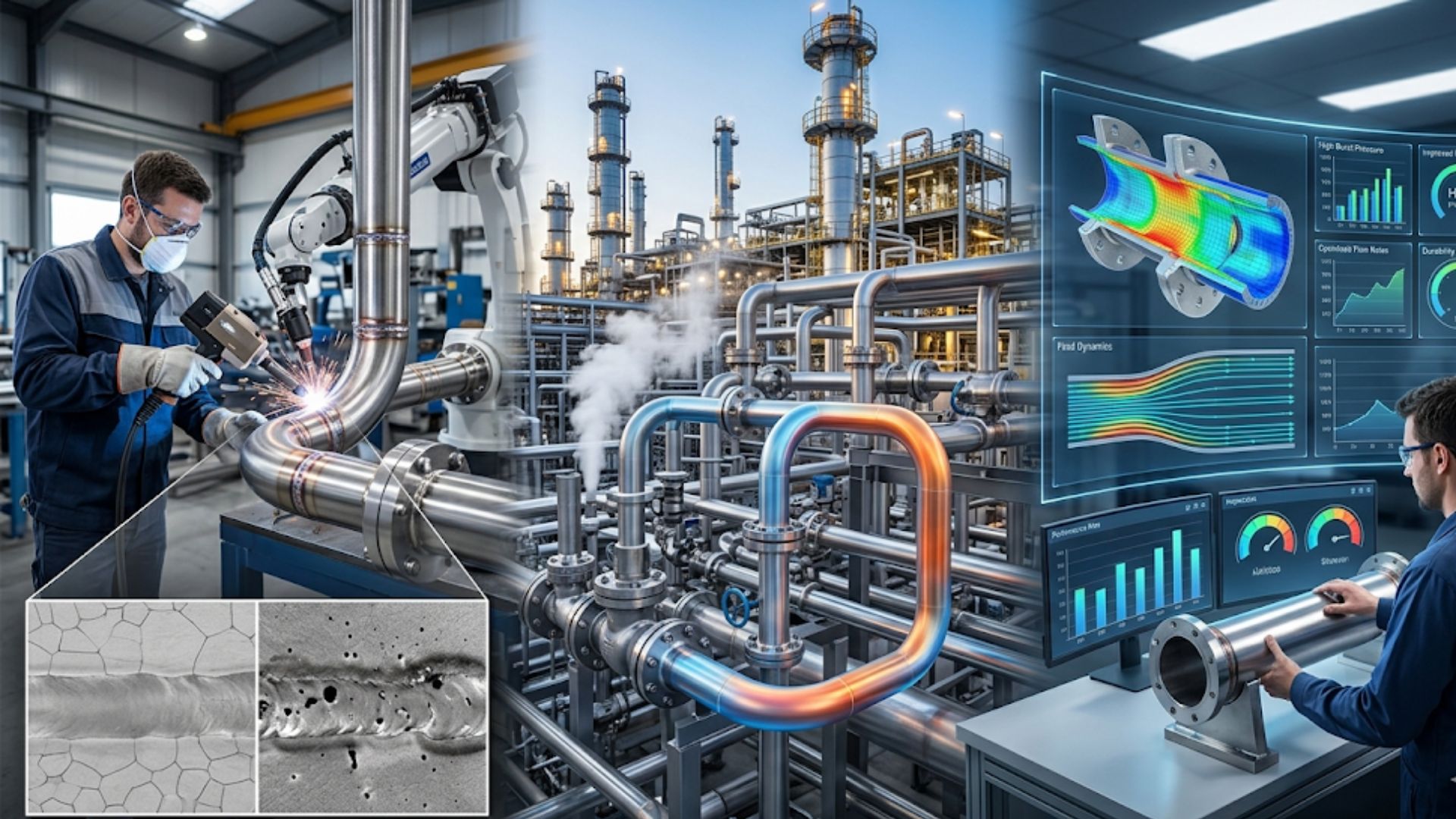
Oil refineries, gas plants, petrochemical plants, and power stations depend on their piping systems as their backbone. Poor piping may result in leakages, process outages, or, in extreme cases, the entire project being shut down.
The fabrication process has an impact on:
- Meeting project deadlines
- Mechanical warranties
- Health, safety, and environment (HSE) rules
- Process guarantees
Mistakes in pipe-making can be costly to rectify and disrupt your building timeline.
Pipe Making Basics: Step-by-Step
Here’s a look at the main steps in the pipe-making process.
1. Getting Materials
It begins with selecting the right types of pipe materials. These include carbon steel, stainless steel, duplex steel, and alloy steel, picked based on heat, pressure, and liquid type.
2. Cutting and Getting Ready
Pipes are cut to the exact size using very precise tools like band saws, plasma cutters, or pipe-cutting machines. The edges are then sloped to make strong weld joints.
3. Fit-Up and Assembly
In this step, workers attach parts like flanges and elbows to the pipes. They use jigs and fixtures to ensure everything fits. If things don’t line up right here, it can cause problems when installing later.
4. Welding
Expert welders do the welding job following the approved WPS (Welding Procedure Specification). After each weld, someone often checks to make sure it’s good enough.
5. NDT and Quality Checks
Teams use Non-destructive testing (NDT) methods such as radiography, ultrasonic testing, and dye penetrant testing. These tests help to ensure the welds are safe and reliable.
6. Painting and Coating
Based on the fluid service and environmental conditions, the spools might get a paint job, galvanization, or a coating of materials that resist corrosion.
7. Pipe Spool Fabrication
All these steps result in pipe spool fabrication, where workers create prefabricated units using isometric drawings. These units then go to the site for final installation.
Types of Piping Materials
Picking the right piping materials plays a crucial role in the process. Here are some common options:
Carbon Steel
Many people use it because it’s strong and doesn’t cost much. It works well for high-pressure services, but it can rust.
Stainless Steel
It stands up to rust and chemicals. It’s a good fit for the food, pharma, and offshore industries.
Alloy Steel
Works best in high-heat settings like refineries and thermal power plants.
Duplex & Super Duplex
Gives excellent strength and is corrosion-resistant. You will find it sometimes applied to seawater and chemicals.
The selection of the material to use differs based on the fluid in use, pressure, and its surroundings.
What is Pipe Spool Fabrication All About?
Pipe spool fabrication involves assembling pipes and fittings with flanges to create spools in a workshop.
They construct these spools using special drawings, which contributes to the speed and protection of installation at the work site. It also reduces hot work required on-site—this is a major advantage in hazardous locations.
Using ready-made spools has these perks:
- Quicker site setup
- Fewer project holdups
- Improved welding quality oversight
- Fewer on-site workers needed
Many EPC contractors now rely on spool fabrication to expedite project schedules.
Common Hurdles in Pipe Making
Although the process appears straightforward, it has its share of challenges.
1. Late Shipments
The tardy arrival of fabricated spools can delay the entire building phase. It’s crucial to team up with a trustworthy fabrication partner who has a proven track record of punctual delivery.
2. System Performance Letdowns
Bad welds or poor alignment can put the whole process system at risk. That’s why thorough NDT and seasoned fabricators are essential.
3. Unclear Documentation
Maintaining isometric or material traceability records can complicate audits or handovers.
4. On-site Rework
Mistakes in fabrication often result in on-site rework, which increases risk and lowers productivity. When done, prefabrication reduces this problem.
Your Role in Ensuring Success
As a procurement or project manager, your decisions significantly impact the entire project’s outcome. Here’s how you can make a difference:
- Pick suppliers with their own engineering teams and lots of fabrication know-how
- Make sure all drawings get checked and confirmed before you start making things
- Ask for proper NDT reports and papers that show where the materials came from
- Get ready for when things will be delivered, and leave some extra time for changes at the site
- Talk to your fabrication partner early on to work together better
To get more things done, consider teaming up with professionals like Berg Industries, who specialize in large oil and gas projects and their complex aspects.
Piping Fabrication Quality Checklist
Use this checklist at every major milestone to ensure quality and smooth execution.
| Stage | Checklist Item | ✅ Done |
| 1. Design Review | IFC drawings reviewed & approved | ☐ |
| Isometric drawings issued to shop | ☐ | |
| 2. Material Handling | All materials received as per MTO | ☐ |
| Mill Test Certificates verified | ☐ | |
| Heat number traceability maintained | ☐ | |
| 3. Cutting & Fit-up | Cut lengths match drawing dimensions | ☐ |
| Bevel angle & cleanliness confirmed | ☐ | |
| Alignment and clamping verified | ☐ | |
| 4. Welding | Welder qualification records available | ☐ |
| WPS followed during welding | ☐ | |
| Pre-heat/post-weld heat treatment recorded | ☐ | |
| 5. NDT | RT/UT/DP/MP results recorded & accepted | ☐ |
| Rejected welds repaired & re-tested | ☐ | |
| 6. Coating & Painting | Surface prep meets standard (e.g., SA 2.5) | ☐ |
| DFT (Dry Film Thickness) verified | ☐ | |
| 7. Final Assembly | Spool dimensions checked vs. drawings | ☐ |
| Tags and spool numbers applied | ☐ | |
| 8. Documentation | QC dossier compiled (NDT, MTC, WPS, Drawings) | ☐ |
| Client sign-off obtained | ☐ |
To Wrap Up
Once you are enlightened on the process of piping fabrication, you will be in a position to accelerate your project, give it a better life, and construct longer-lasting pipes. It is all very important, from selecting the appropriate types of materials used in piping to ensuring that each stretch of pipe is flawless.
You’ve now got a better idea of what pipe fabrication is, why it matters, and how to do it right.
To cut down on do-overs, hit process targets, and stick to timelines, team up with a fabrication partner who gets the job done with skill and know-how. Reach out to Berg Industries to make sure your next piping project turns out great.
Frequently Asked Questions
What are the most common materials used in piping?
Carbon steel, stainless steel, alloy steel, and duplex steel are commonly used in piping. The operating environment and the type of fluids dictate the type of material to be chosen.
What are the reasons behind the importance of pipe spool fabrication?
It allows prefabricating parts in a workshop, which are quicker to install, reduce welding risks, and enable better quality control.
How do I ensure quality in piping fabrication?
Work with certified welders, check (NDT), confirm all materials, and team up with a seasoned fabrication partner.